Optimal Timing for Concrete Repairs
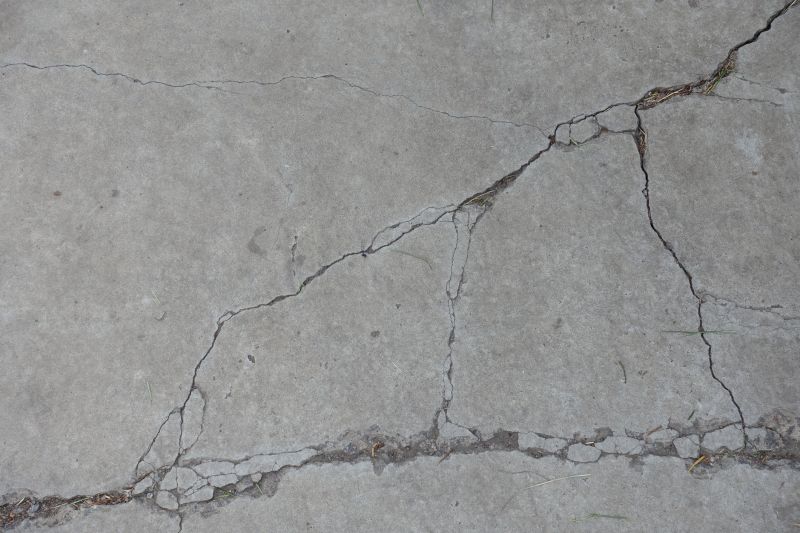
Spring offers moderate temperatures ideal for concrete repairs, reducing the risk of cracking due to extreme heat or cold.
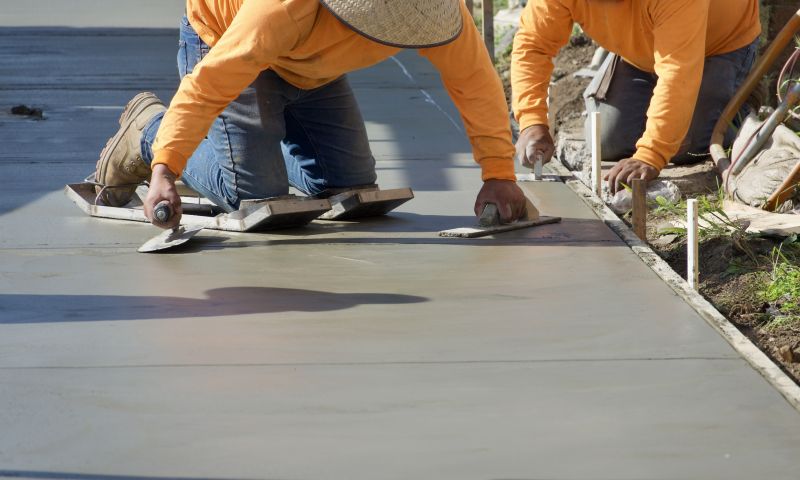
Early summer can be suitable if temperatures are consistent, but high heat later can hinder curing processes.
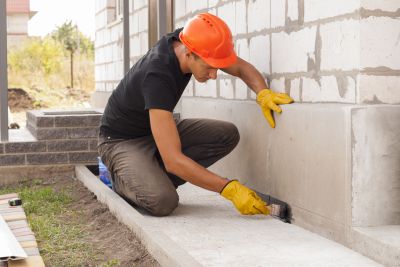
Fall provides cooler, stable weather conditions that allow for proper curing and finishing of concrete.
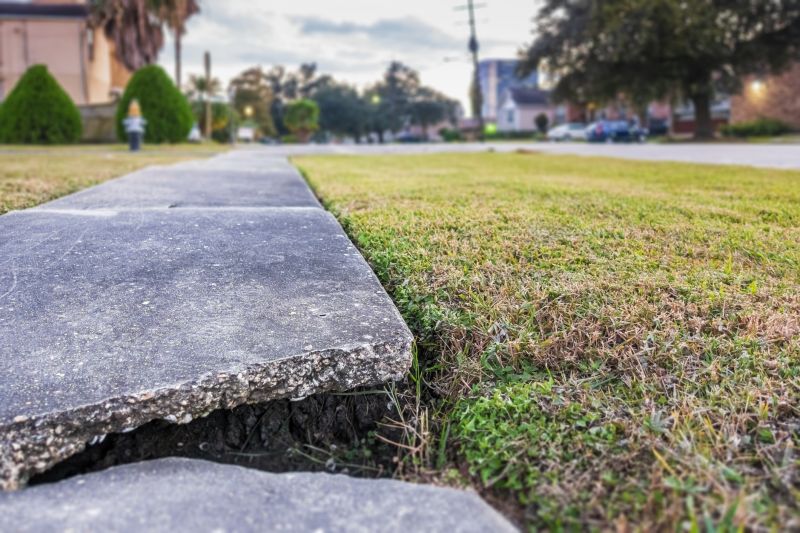
Winter is generally unsuitable due to low temperatures that can prevent proper curing and cause cracks.
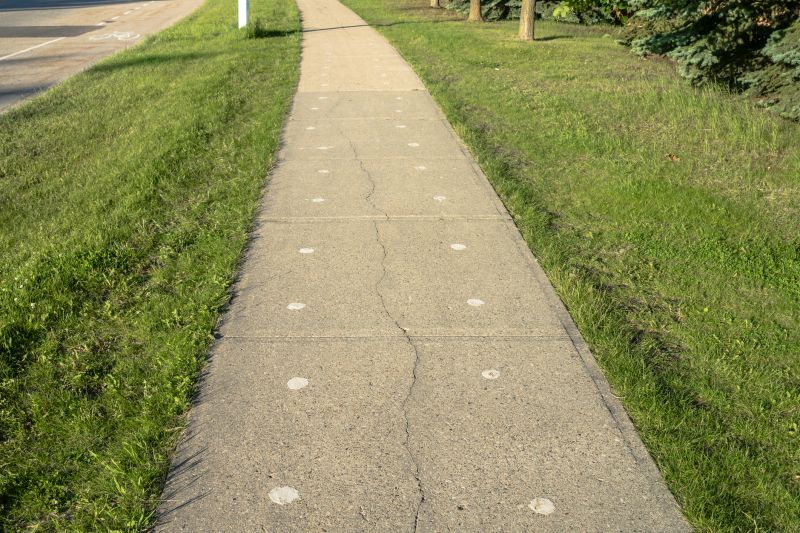
Late spring and early fall are considered the best times for concrete repairs in Sherman, TX.
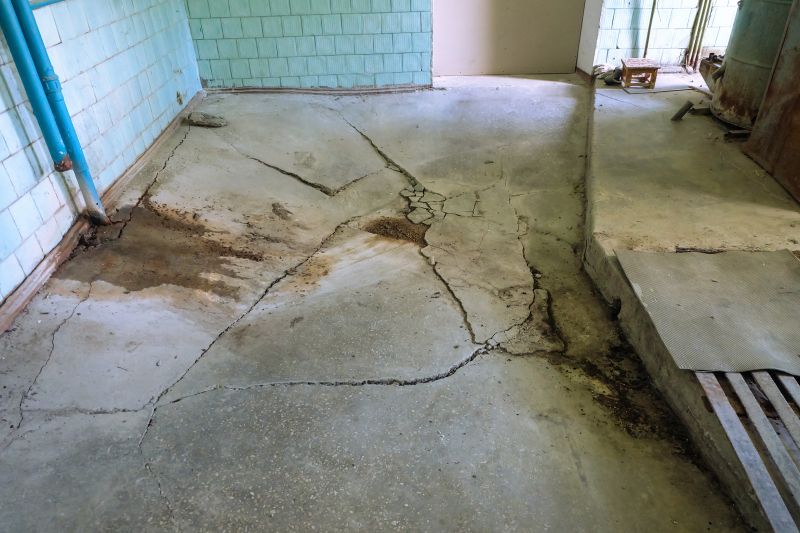
Avoid periods of heavy rain or extreme temperatures to ensure proper adhesion and curing.
Concrete repairs are essential for maintaining structural integrity and aesthetic appeal. Proper timing ensures the longevity of repairs and reduces the need for future work. Weather conditions significantly impact the curing process; therefore, selecting the right season is crucial for optimal results.
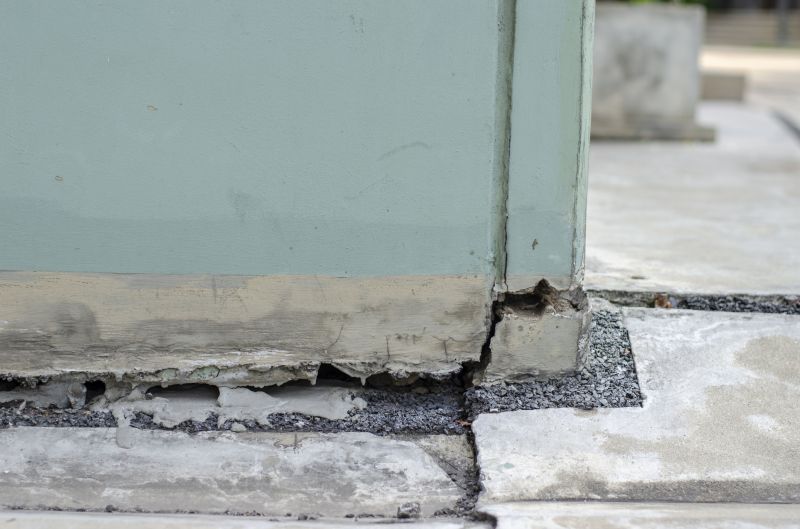
Timely crack repairs prevent further deterioration and structural issues.
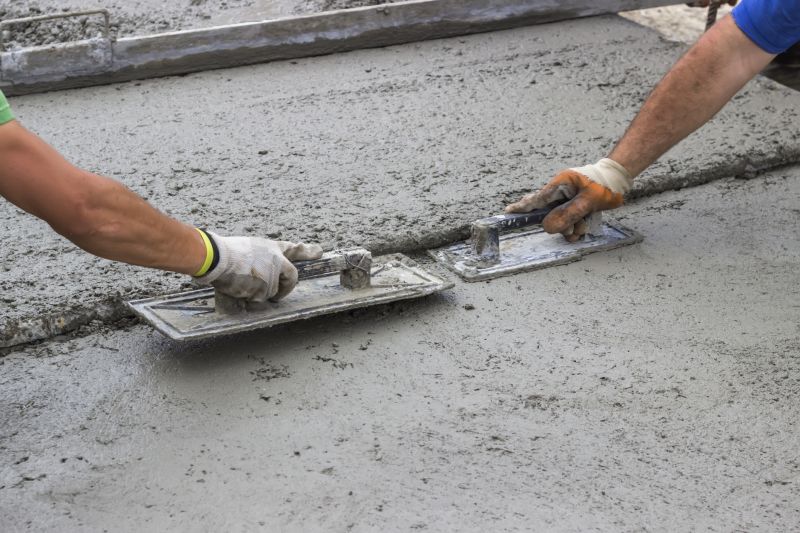
Resurfacing is best done in dry, moderate weather to ensure adhesion.
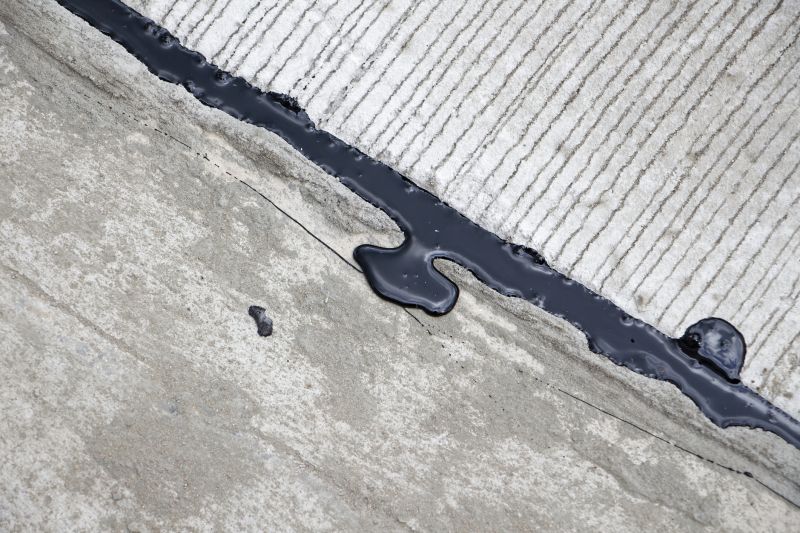
Sealants should be applied during dry conditions for maximum effectiveness.
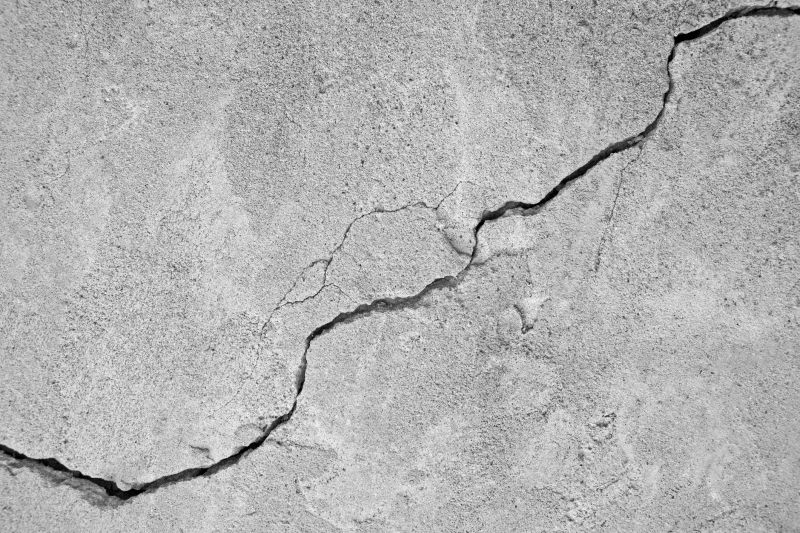
Foundation repairs require stable weather to prevent shifting or cracking.
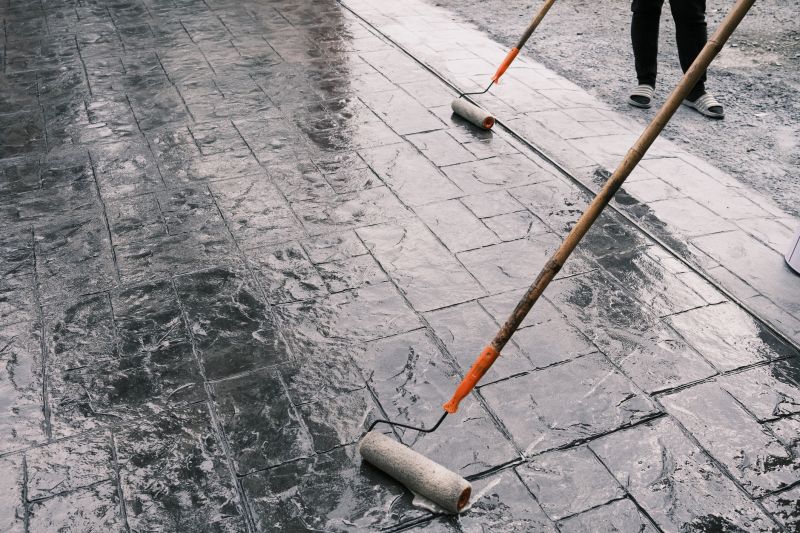
Sealing is most effective during warm, dry periods.
| Season | Ideal Conditions |
|---|---|
| Spring | Moderate temperatures, low rainfall, stable humidity |
| Summer | Early summer, consistent temperatures, avoid peak heat |
| Fall | Cool, dry weather, stable humidity |
| Winter | Not recommended due to low temperatures and freeze-thaw risks |
Ways to make Concrete Repairs work in tight or awkward layouts.
Popular materials for Concrete Repairs and why they hold up over time.
Simple add-ons that improve Concrete Repairs without blowing the budget.